01 — Ship files
Configs you paste. Not a PDF you ignore.
nginx headers, vercel.json, a WordPress mu-plugin, llms.txt, security.txt. Copy or download. This is how you leave Semrush and Lighthouse behind.
Not another score. A ship file.
Scan multiple pages, detect your CMS and uncover technical SEO, security, performance, accessibility and AI-search issues. Get implementation-ready fixes instead of another generic score.
No card. Three guest scans, then an account. Save them to a workspace →
Live index
Latest unique hosts
nginx headers, vercel.json, a WordPress mu-plugin, llms.txt, security.txt. Copy or download. This is how you leave Semrush and Lighthouse behind.
Not a TTFB ping. Each walked URL gets the full brief: headers, titles, schema, noindex, cache, AI-bot policy, WCAG in the HTML. Observer 5 interiors. Operator 10. Studio 20. Guest scans use five. Launch signed-in uses twenty.
We simulate the answer an engine can ground from your HTML. Then we list the facts it would have to hallucinate. That is GEO, not a keyword density toy.
Rescan the same host and watch the score move. Optional competitor URL from the form: we fingerprint their CMS, score the same chapters, and put their findings next to yours — what they ship that you still hide.
Blog
Jakub Jóźwiak · 31 August 2026
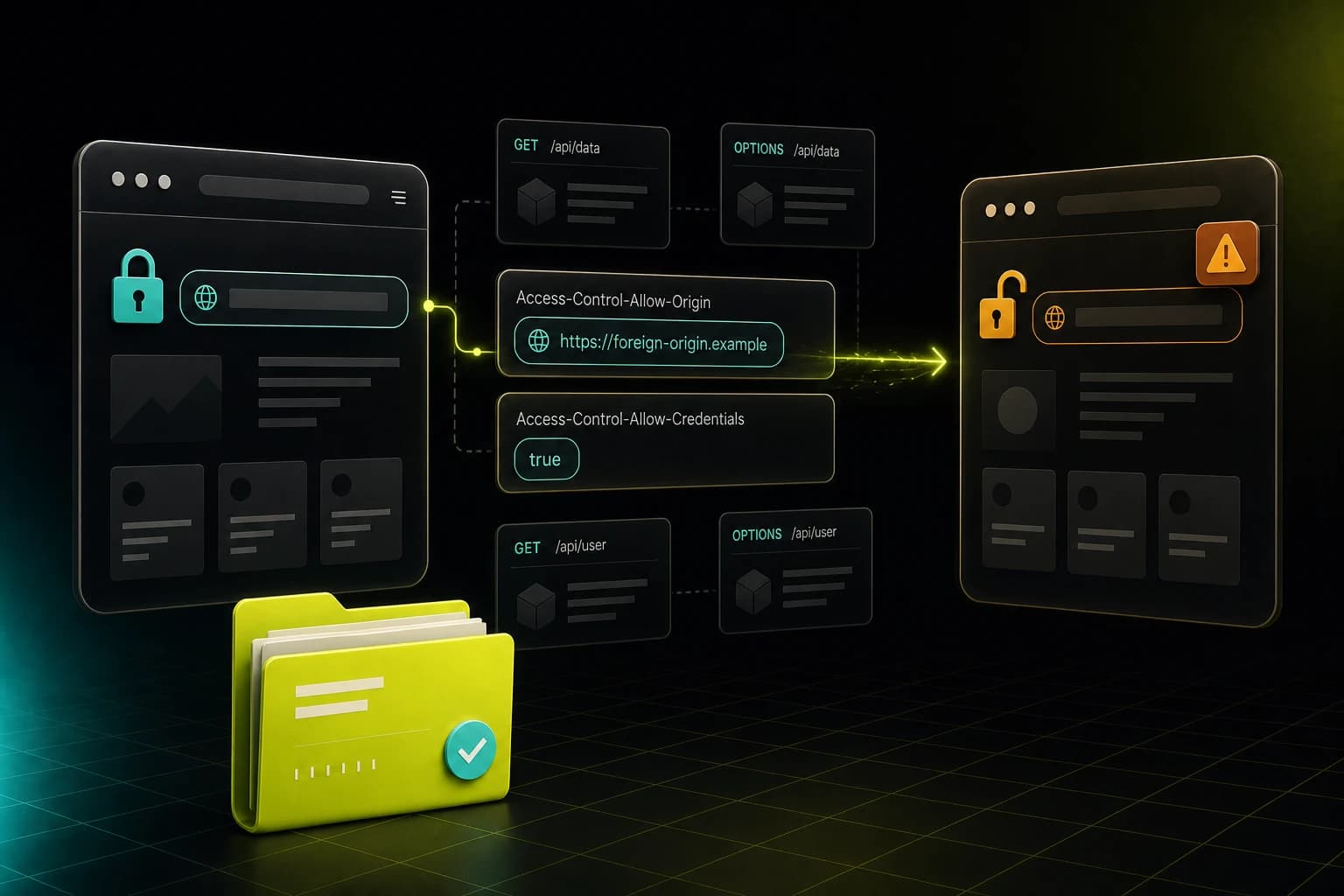
A CORS configuration checker reveals which origins can read your site responses, where credentials leak, and how to turn header findings into fast fixes.
Read the note →A technical SEO audit should crawl beyond the homepage, expose deployable fixes, and show where search, speed, and AI visibility break down at scale.
AI search optimization means making your site easy for answer engines to crawl, verify, and cite with clear facts, schema, and deployable fixes at scale.
Those tools score a URL and email you a PDF. SiteRune fingerprints the CMS, walks the interior (full chapters, not TTFB-only), writes the actual config files, and shows what an answer engine can ground from your HTML. The score is the trailer. The ship tab is the movie.
Homepage plus interiors from nav, sitemap, and llms.txt. Guest and Observer: 5 interiors. Operator: 10. Studio: 20. During Launch, a signed-in workspace walks 20 — same as Studio — while guest scans stay on 5. Each of those URLs gets security, SEO, performance, AI-search, and HTML accessibility — not a ping.
No. SiteRune only looks at what a polite crawler can see: HTML, headers, robots, sitemaps, public JSON-LD. It does not run exploits, fuzzers, or credential stuffing. The security chapter is a configuration review, not a red team.
Three guest scans from the homepage, no card. After that, create a free account to keep history and keep scanning. Launch still unlocks every feature on the account.
Product drops, methodology changes, public briefs worth stealing from. Unsubscribe in one click. Accounts are added automatically.